
RECOMMENDED READING:
METIS SPECIFIC CHILDREN’S PICTURE BOOKS
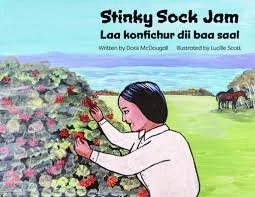
Stinky Sock Jam
Doris McDougall, a Michif Elder, relates a memory from her childhood when she, her sister Marina, and her mother had an adventurous trip on horseback to pick cranberries to make jam and jelly for the winter. Did you know that cranberries smell like stinky socks? Stinky Sock Jam includes a translation in Michif-French as spoken by the Métis of St. Louis, Saskatchewan. This charming and humorous vignette of Métis Life is brought to life by Lucille Scott’s beautiful illustrations.
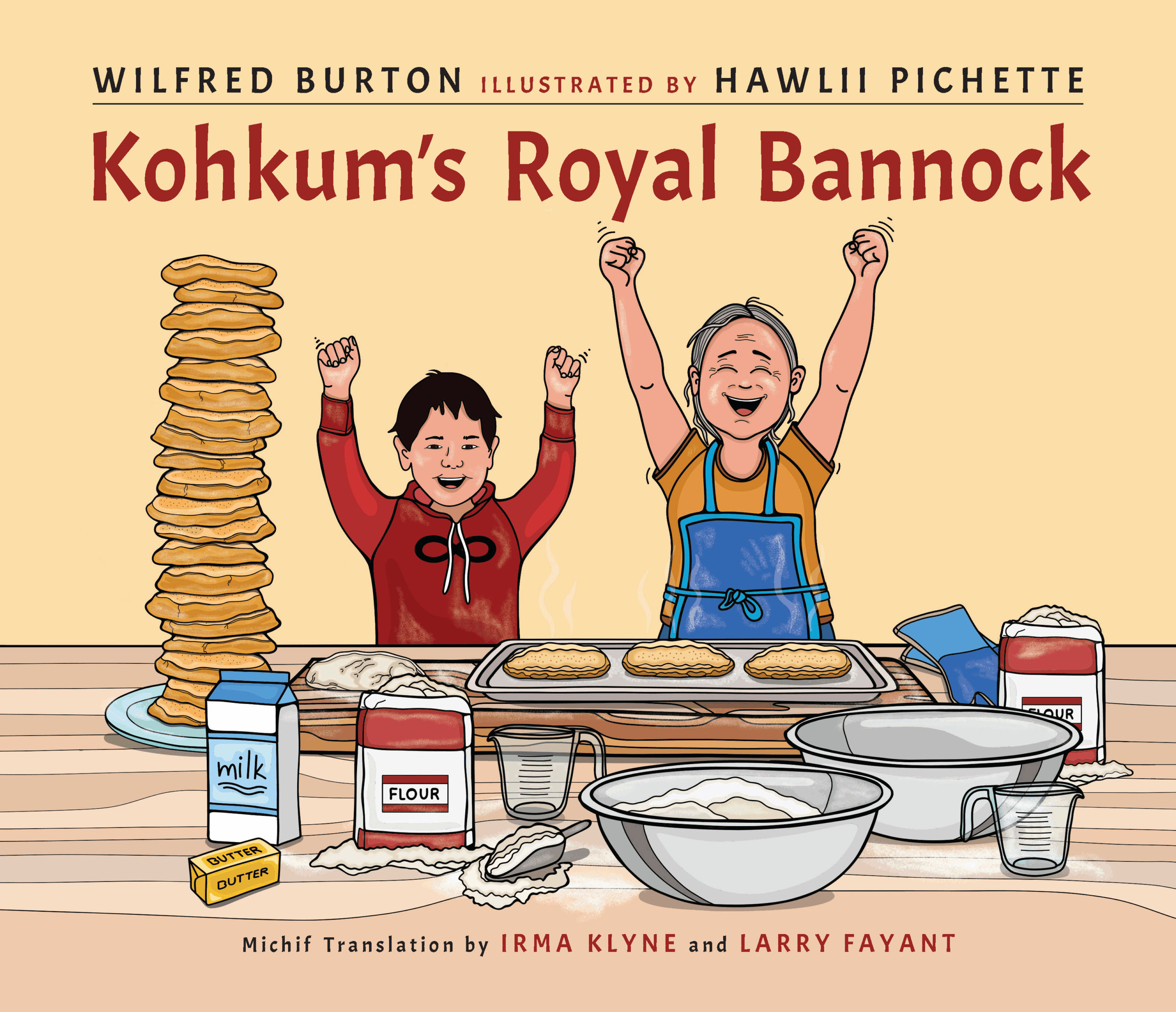
Kohkum’s Royal Bannock
This beautifully illustrated Métis picture book is a feast for the eyes and a tickle for the funny bone, Kohkum cooks up a HUGE order of bannock in her own kitchen, for the Queen and 299 guests!
This lively and whimsical tale begins with a letter asking Kohkum to cook bannock for the Royal visit. Kohkum’s grandson Xavier is as excited as she is, until they do the math and are shocked to learn they are cooking not just for the Queen but for her entourage and guests too. A mad scramble ensues, with a rushed trip to the grocery store to buy a ridiculous amount of flour and milk, and a perilous trip home with the car stuffed with supplies and Xavier riding on the roof. Several aunties come to the rescue, helping with bannock assembly and sharing in the excitement of cooking for the Queen.
Written by an educator, this story provides many opportunities to count in English and Michif, with many laughs along the way as Kohkum, aunties, and Xavier scramble to cook the bannock in time for the Queen’s visit. Boldly colourful, humourous illustrations by Hawlii Pichette bring this entertaining story to life. Full translation makes this book ideal for in-class cultural learning and Michif language acquisition.
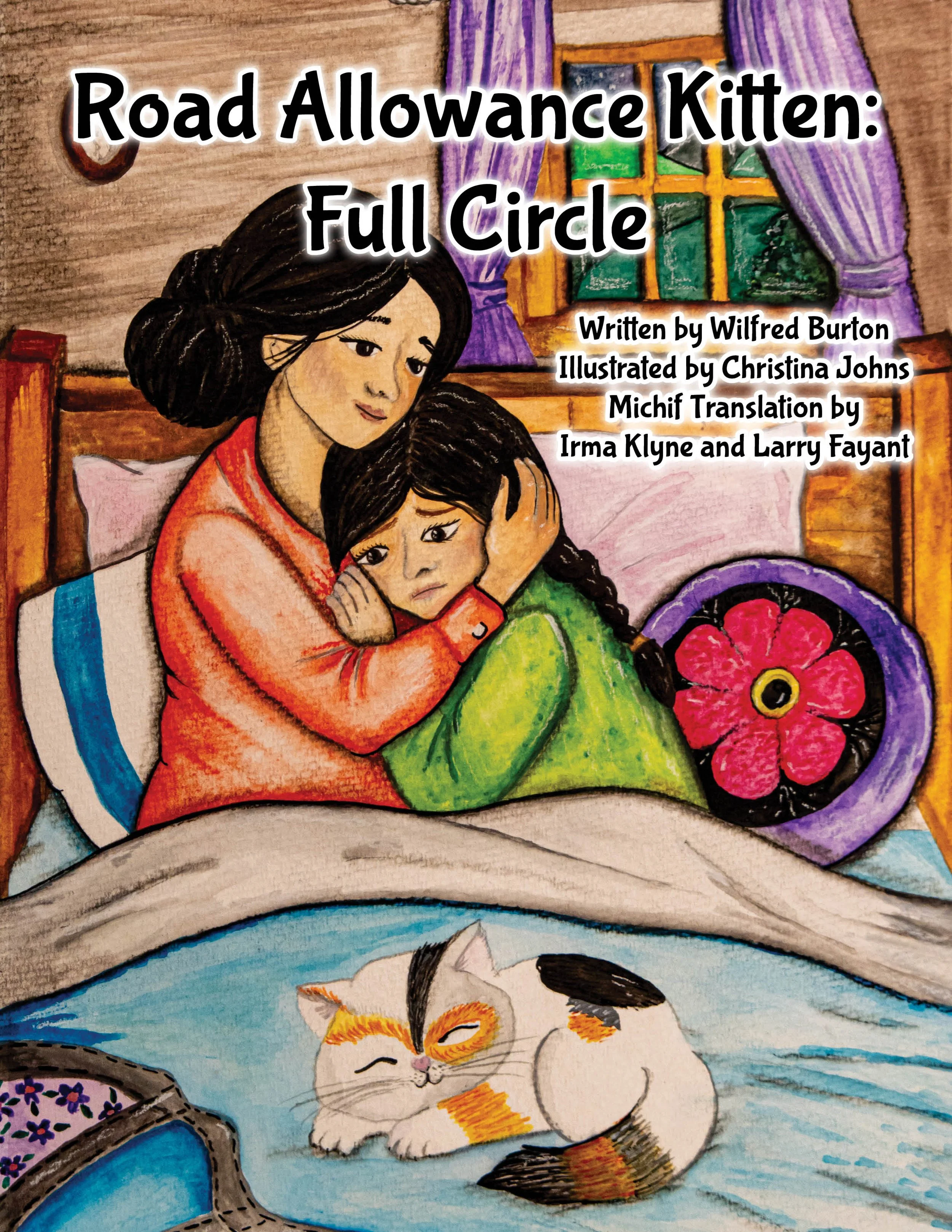
In Road Allowance Kitten: Full Circle, Madeline, Rosie, and their cat, Kitten continue to share adventures. This time with a visit to a circus. However, Madeline is unexpectedly diagnosed with tuberculosis and is sent to a sanitarium to recover; sadly, a common experience for Indigenous Peoples in the early twentieth century.
While healing there, Madeline resumes her friendship with Rosie and Kitten, albeit from a distance, and the trio demonstrates the enduring strength of true friendship and the importance of hope when faced with adversity.
The family finds itself full circle, back on a road allowance in the valley so they can be closer to Madeline. Richly steeped in Michif culture and vividly illustrated by Christina Johns, this uplifting story leaves young readers with a strong impression of Métis resilience and pride.
Road Allowance Kitten: Full Circle is a welcome addition to Wilfred Burton’s acclaimed historical fiction series, which includes Road Allowance Kitten and Road Allowance Kitten: Broken Promises.
Road Allowance Kitten
The first book in the series, they say, “Home is where the heart is.” For Rosie and Madeline, home also included their pet kitten. Imagine being told you have to leave your home … without your pet. Based on a true story, Road Allowance Kitten gives readers a glimpse into the history of the Road Allowance Métis and their forced removal from their humble, but beloved, homes on the road allowance. Award-winning children’s author Wilfred Burton skillfully shares this story through the eyes of the children involved. The vibrant illustrations by Christina Johns are the perfect accompaniment to this authentic vignette of a little-known part of Prairie history.
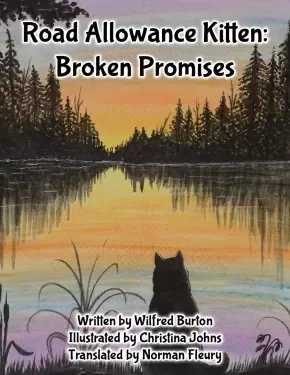
Road Allowance Kitten: Broken Promises
Road Allowance Kitten: Broken Promises shares more of the adventures of the main characters, Rosie and Madeline, and their pet kitten. Their adventure began in Road Allowance Kitten, which has become a very popular and widely-acclaimed book within the canon of Métis children’s literature. Readers urged author Wilfred Burton to share what happens next.
The stories shared in these books blend the experiences of Métis families who were forcibly removed from their homes and relocated to an unfamiliar part of the province, where they found so little of what was promised to them.
Award-winning children’s author Wilfred Burton skillfully shares this story through the eyes of the children involved. Christina John’s vibrant illustrations are the perfect accompaniment to this authentic vignette of a little-known part of Prairie history.
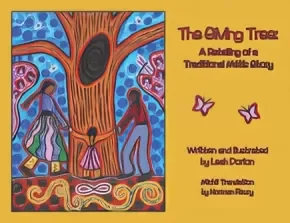
The Giving Tree: A Retelling of a Traditional Métis Story
This charming story, richly steeped in Métis culture, focuses on the boyhood reminisces of Moushoom as he describes finding the “great giving tree” with his mother and father. This vibrantly illustrated children’s book is a beautiful retelling of a traditional Métis story. Both Leah Marie Dorion and the Gabriel Dumont Institute are very pleased to share this story with the Métis and larger communities since it emphasizes Métis core values and beliefs including strength, kindness, courage, tolerance, honesty, respect, love, sharing, caring, balance, patience, and most of all, the important connection with the Creator and Mother Earth. This resource also includes a Métis values chart, and a digital download of the narrations in English and Michif.
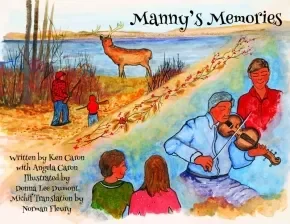
Manny’s Memories
Manny’s Memories, by author Ken Caron with his daughter Angela Caron, introduces us to the Métis community of Round Prairie, Saskatchewan through the eyes of a young boy growing up in the 1940s. Manny shares his boyhood memories of the once vibrant community not too far from Saskatoon’s city limits. Though rural life at the time called for hard work, self-sufficiency, and generosity, there was always time to have fun and to enjoy being a young Métis boy. Artist Donna Lee Dumont’s visual expression of Manny’s Memories helps us see the world as Ken, called “Manny” in his youth, remembers it. Norman Fleury’s accompanying Michif translation and narration returns to the language which Manny so often heard as a boy. Manny’s Memories leaves us with a rare and satisfying glimpse of life not so long ago.
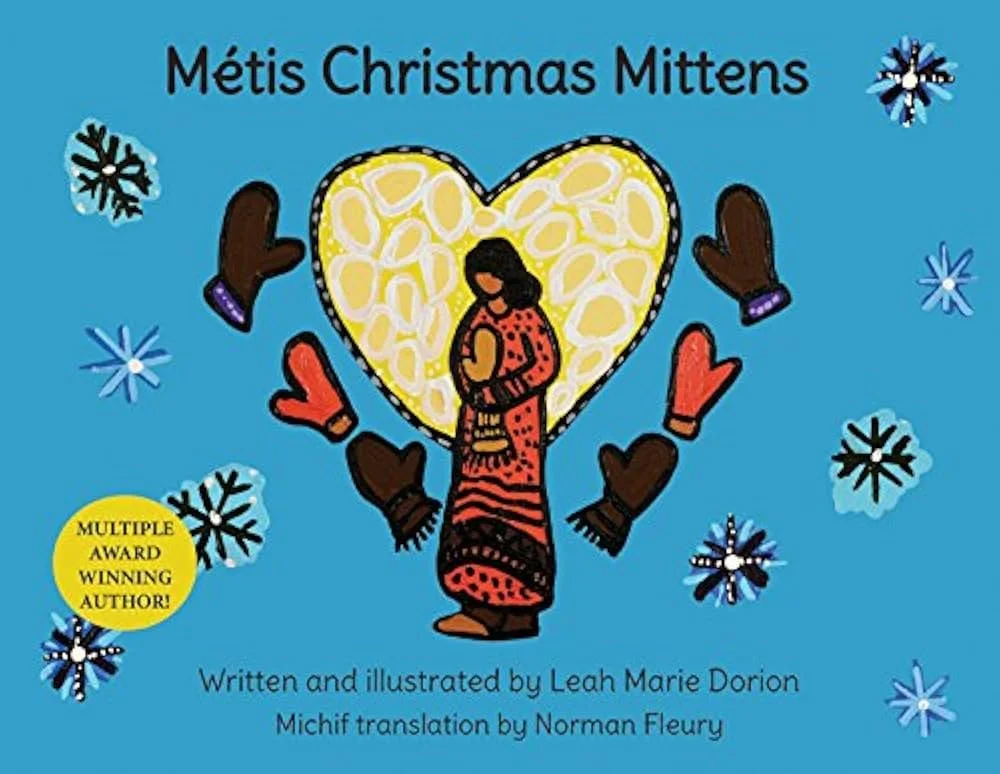
Métis Christmas Mittens
The holiday season has always been a very special time for Métis families. A family-oriented people, the Métis often didn’t have money to buy expensive presents, but instead made practical items with much love. In this spirit, award-winning author and illustrator, Leah Marie Dorion takes readers back to the Métis tradition of making mittens for loved ones. Métis Christmas Mittens is a touching ode to Métis family life is accompanied by Leah’s distinctive and evocative art. Includes a digital download of the narrations in English and Michif. Available in soft cover and board book formats.

Dancing in My Bones
Dancing in My Bones, the sequel to the highly successful book Fiddle Dancer, returns us to the story of a young Métis boy named Nolin as he continues to discover his Métis heritage. Lovingly written by Wilfred Burton and Anne Patton and vividly illustrated by Sherry Farrell Racette, Dancing in My Bones will take you on a journey to discover Moushoom’s first moose hunt, red lipstick kisses, Uncle Bunny’s fiddling, and the return of the “Bannock Jig.” But most importantly, by the end of the story, you might feel like you have dancing in your bones!
Awards: Winner—2009 Award for Publishing, First Peoples’ Publishing, and the First Peoples’ Writing Award,Saskatchewan Book Awards
Nominated—2009 Publishing in Education, and Readers’ Choice Award,Saskatchewan Book Awards
Winner—2010 Moonbeam Gold Medal, Spirit Award—Native Folklore
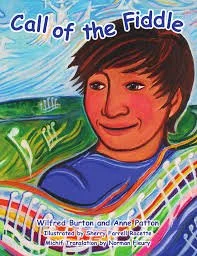
Call of the Fiddle
Call of the Fiddle completes the trilogy of a young boy as he embraces his Métis heritage and carries on his family’s traditions. Wilfred Burton and Anne Patton capture Batoche’s history and significance with their words, while Sherry Farrell Racette brings the land and Métis culture to life with her vibrant illustrations. Join Nolin one last time as he hears the rollicking rhythm of the “Red River Jig,” learns of tearful memories, and experiences the excitement of jigging at Batoche!
Fiddle Dancer
Awards: Nominated—2007 Regina Book Award, Children’s Literature Award, and First Book Award,
Saskatchewan Book Awards
Nominated—2007 Children’s Book of the Year, Ânskohk Aboriginal Literature Festival
Nominated—2009 Shining Willow Award, The Willow Awards
Fiddle Dancer tells the tale of a young Métis boy, Nolin, and his growing awareness of his Métis heritage and identity while his “Mooshoom” or grandfather, teaches him to dance. Authors Wilfred Burton and Anne Patton masterfully weave a childhood story rich in Métis culture and language. This delightful story captures the importance of Elders as role models, a child’s apprehension at learning new things, and the special bond between grandparents and children. Sherry Farrell Racette provides many beautiful illustrations for the book.

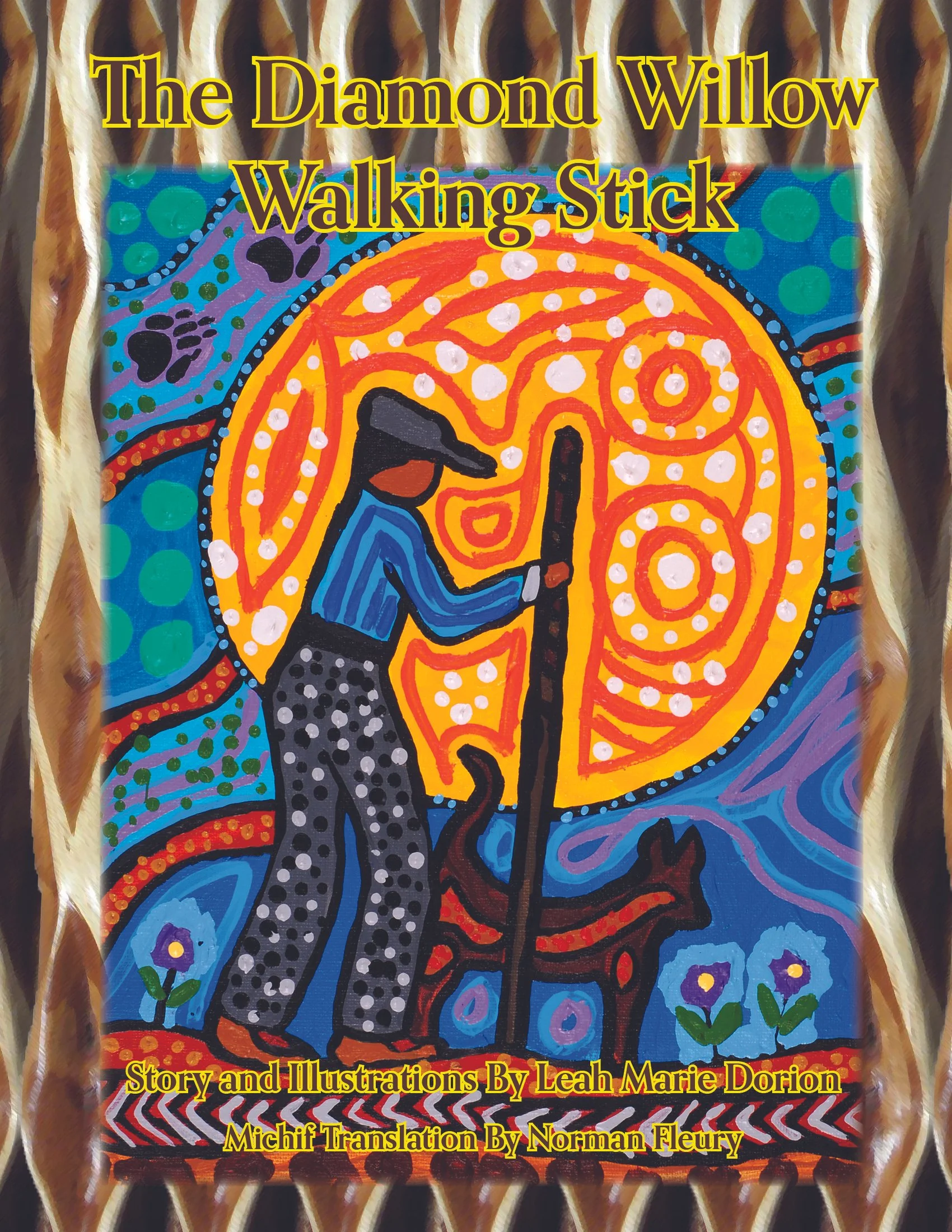
The Diamond Walking Willow Stick
Leah Marie Dorion’s The Diamond Willow Walking Stick: A Traditional Métis StoryAbout Generosity focuses on a Métis Elder’s remembrances of traditional teachings about generosity that were taught to him by his grandparents during his childhood. These lifelong lessons imparted on him “how to live in a good Métis way,” and taught him how to live with respect within the circle of life. In this charming children’s book, the third in an ongoing series on traditional Métis culture, author and illustrator Leah Marie Dorion takes the reader on another enchanting journey while once again honouring the special bond between Métis children and their grandparents. With breathtaking artwork and an elegant Michif translation by Norman Fleury, this heartfelt, coming of age story will resonate with both young and old. This book also includes a chart on the uses of the willow tree and an accompanying digital download of the narrations in English and Michif-Cree. This retelling of a traditional Métis story is most suitable for younger children.
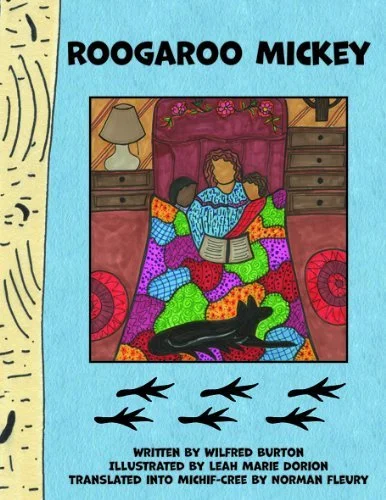
Roogaroo Mickey
Telling stories has been a Métis tradition for generations. Papayrs or Mooshums and Mamayrs or Kookhums share stories with their grandchildren, parents share stories with their children, and friends share stories with one another! Some stories are for fun while other stories teach lessons to young ones, and some do both. The favoured stories of many are those about tricksters like Chi-Jean or about Roogaroos, the Métis werewolf. In Roogaroo Mickey, Mamayr tells Louis and Charlie a Roogaroo story from when she was a little girl. But Roogaroos aren’t real …, right?